

“Ancestor guides” is a spiritual idea, not a verified way to identify who is communicating with you. If the idea matters to you, you can explore it through remembrance, family stories and values while keeping belief separate from documented history.
You do not have to receive a sign, know your complete family tree or forgive every relative to connect with your past. Choose an approach that respects your circumstances, culture and boundaries.
Three different kinds of connection
Memory
Stories, objects and experiences can remind you of someone. A memory does not need to be a message.
Family history
Names, dates and relationships can be researched through records. Mark gaps and uncertainty honestly.
Spiritual interpretation
You may understand an experience through your beliefs. That interpretation does not verify a spirit’s identity or advice.
These lanes can sit alongside one another without being interchangeable. A comforting dream cannot establish an unknown birth date; a birth record cannot prove that a deceased person is guiding your decisions.
Start with what you know
Write down names, dates, places and relationships you can support. The National Archives’ introductory genealogy guidance recommends moving from known information toward the unknown and consulting multiple sources. Keep a note of where each detail came from.
If a relative is comfortable talking, ask open questions: “What do you remember about this person?” or “Who taught you this recipe?” Ask permission before recording, copying photographs or sharing a story. A family memory can be valuable even when details need checking.
Do not replace a missing record with a psychic assertion. Write “unconfirmed” when a relationship is uncertain. A reader’s impression should not become a factual entry in your family tree.
A remembrance exercise without promises of contact
- Choose a person or influence. It can be a relative, caregiver or someone whose actions shaped your life.
- Select one memory. Use a photograph, object, story or recipe that feels appropriate.
- Name a value. Consider what you admire—and what you do not want to repeat.
- Choose an ordinary action. Cook the recipe, preserve the photograph, write a memory or practice that value.
- Finish deliberately. Put the object away and return to your day. No response or sign is required.
You might write an unsent letter describing what you miss, what you appreciated or what remains complicated. This is a reflection activity, not a technique guaranteed to open communication with the dead.
Leave room for difficult family histories
Not every ancestral story is comforting. You can recognize hardship, abuse, exclusion or wrongdoing without turning it into a spiritual lesson you were meant to endure. Honoring your history does not require approving of every person in it.
You also do not need to contact an unsafe living relative to complete a ritual. Choose another source, leave a question unanswered or work with a trusted support person. Adoption, estrangement, migration and missing records do not make your identity less valid.
Respect cultural context
There is no single ancestral practice shared by every culture or family. Ask knowledgeable members of your own community where appropriate, and do not assume an online ritual represents a whole tradition. Some practices are private or restricted; respect those limits rather than treating them as interchangeable spiritual tools.
If a practice is unfamiliar, a simple act of remembrance may be a better choice than copying its sacred language or objects. You can create a personal routine without claiming that it belongs to a tradition you do not know.
Protect privacy and physical safety
A DNA test is optional, not the first required step. Before using one, review what the service does with genetic information and what sharing or deletion choices it offers. Do not upload relatives’ documents, private stories or identifiable photographs without considering their consent.
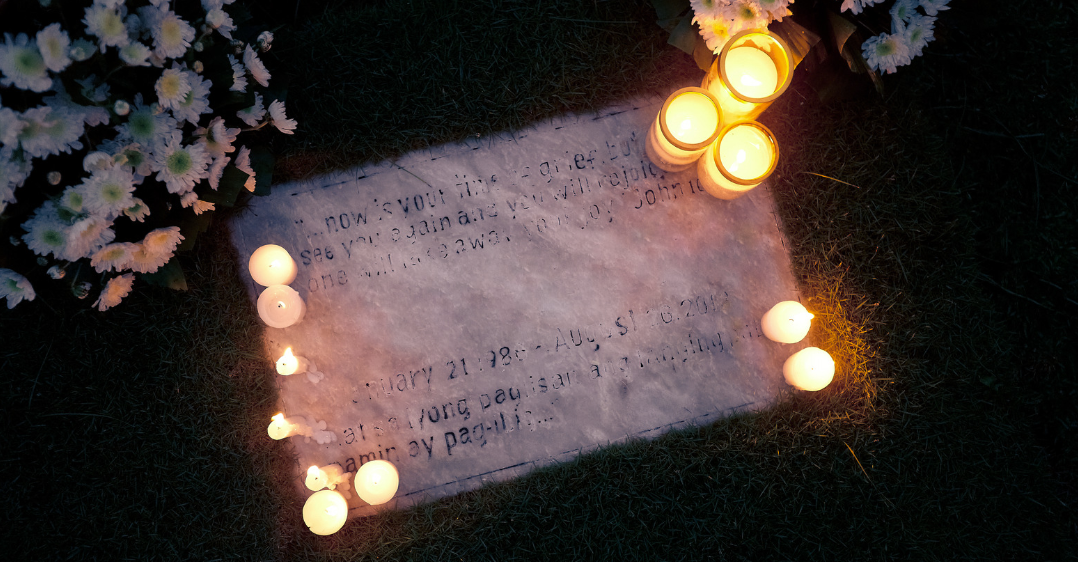
A photograph or flameless candle can mark a remembrance space. If using candles, follow the U.S. Fire Administration’s candle guidance: keep flames in stable holders, away from combustible materials, and extinguish them before leaving. No offering is worth a preventable fire or unsafe ingestion.
When someone claims to speak for your ancestors
A medium cannot guarantee contact, protection or closure. Before purchasing a reading, decide what you are willing to share, what it costs and when you will stop. Do not accept demands for urgent payments, secrecy or actions that contradict your boundaries because someone attributes them to an ancestor.
Use our decision-safety guide when a message suggests a consequential action. Our angel-number guide also distinguishes a meaningful association from evidence of an external message.
If a claimed message includes a death prediction, you do not need to treat it as fact. Read our guide to responding to frightening predictions and seek appropriate support if the worry persists.
Frequently asked questions
1. What are ancestor guides?
In some spiritual beliefs, ancestor guides are deceased relatives or ancestral figures imagined as sources of guidance. That belief is different from verified communication with the dead.
2. Can this article identify my guides?
No. It offers ways to explore memory, values and family history without claiming to identify a spirit.
3. Do I have to believe in spirits to honor an ancestor?
No. Remembrance can involve stories, recipes, photographs, research or an act that reflects a value you admire.
4. What if I do not know my biological family?
You can work with the information available to you or honor people who helped shape your life. Missing records or unknown ancestry do not make you spiritually incomplete.
5. Must I honor every relative?
No. You can acknowledge history without praising harmful behavior, forgiving someone or seeking contact with unsafe living relatives.
6. How can I begin family-history research?
Start with known names, dates, places and relationships, then compare records. The National Archives offers introductory guidance; label uncertain links rather than filling gaps with a reading.
7. Is a DNA test required?
No. You can begin with conversations and documents. If considering a test, review its privacy, sharing, retention and deletion terms before providing genetic data.
8. Can a dream prove that an ancestor visited?
No. A dream may be personally meaningful, but its emotional impact does not establish an external visitor or a factual message.
9. Are repeated numbers proof of ancestral contact?
No. You can attach a personal meaning to a sequence without treating it as evidence of who sent it.
10. Can I write a letter to someone who died?
Yes, as an optional remembrance or reflection exercise. Writing does not require expecting a reply or treating thoughts that follow as instructions.
11. Do I need an altar or offerings?
No. A photograph, a saved story or a quiet moment can be enough. Respect your own tradition and avoid rituals you do not understand or have permission to use.
12. How should I handle candles?
A flameless candle is an option. If using a flame, follow fire-safety guidance, keep it away from combustible materials and extinguish it before leaving.
13. Can a medium guarantee contact or closure?
No. A reading cannot guarantee contact with a deceased person or a particular emotional outcome. Set limits on price, privacy and what you are willing to discuss.
14. Should an ancestral message decide my future?
No. Keep a spiritual interpretation separate from evidence, consent and practical consequences. You may decline any instruction attributed to a spirit.
15. What if remembrance becomes distressing?
You can pause or choose a different activity. Persistent distress or difficulties with daily life deserve support from a qualified professional rather than pressure to buy more readings.
‘Ask your family members about their past’—as if they have any idea what they’re talking about! Most families are a treasure trove of misinformation masquerading as history!
‘Talk to your ancestors’? I can barely get my living relatives on the phone! But hey, if they’ve got good advice from beyond, who am I to judge?
Isn’t it fascinating how many people cling to the idea of ancestral spirits? While it can be comforting, isn’t it more rational to focus on the tangible legacies they left behind? The true strength lies in actionable heritage, not ephemeral guidance.
I appreciate your point, but perhaps the intangible connections we have with our ancestors provide a different kind of strength—one that encourages introspection and growth in ways data alone cannot.
It’s intriguing how this piece intertwines spirituality with cultural identity. The suggestion to explore one’s family tree and honor past traditions is essential not just for personal growth but also for understanding societal contexts.
While the notion of communicating with ancestral guides may seem appealing to some, it borders on romanticizing death. Are we truly to believe that spirits are standing by to assist us? This article seems more like wishful thinking than grounded advice.
‘Talking to the dead’ may sound outlandish, yet cultures worldwide have embraced such practices for centuries. The insights derived from these interactions can foster an enriching dialogue about life and legacy.
‘Leave gifts for your ancestors’? My great-great-grandma would probably just want me to do my laundry instead! But sure, let’s throw some flowers in there too!
This article beautifully encapsulates the profound connection we can maintain with our ancestors. It’s a reminder of the importance of heritage in shaping our identities and navigating life’s challenges. Bravo!
‘Misinformation or not, every family story carries a nugget of truth. Engaging with these narratives helps bridge generations and enriches our understanding of self.’